Optimal Timing for Handicap Bar Installations
Handicap bar installations are essential modifications that improve accessibility and safety in various environments. The optimal timing for these installations depends on factors such as construction schedules, renovation projects, and occupancy rates. Planning installations during periods of lower occupancy or during scheduled renovations can minimize disruptions and ensure compliance with accessibility standards.
Installing handicap bars during initial construction or major renovations ensures integration into the building design and reduces future costs.
Adding handicap bars after construction allows for adjustments based on user feedback and current standards.
Scheduling installations during times of low occupancy minimizes inconvenience and allows for efficient work.
Aligning installations with compliance deadlines ensures accessibility standards are met timely.
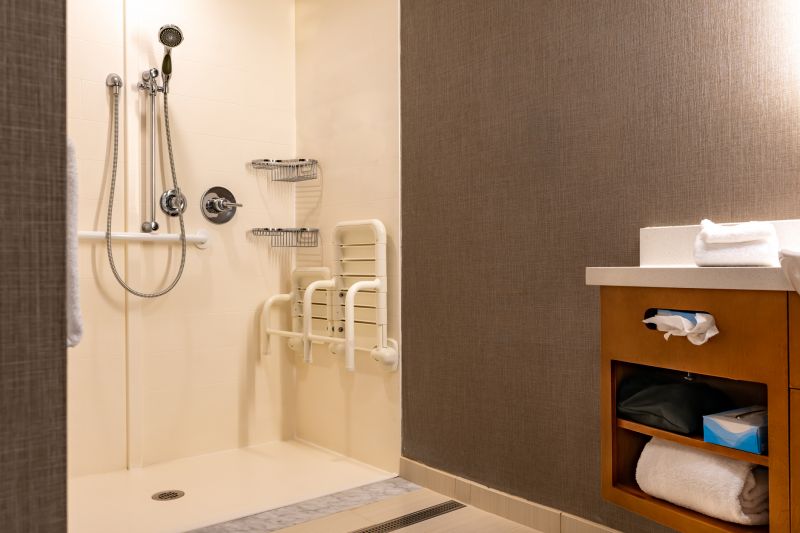
Ways to make Handicap Bar Installations work in tight or awkward layouts.

Popular materials for Handicap Bar Installations and why they hold up over time.
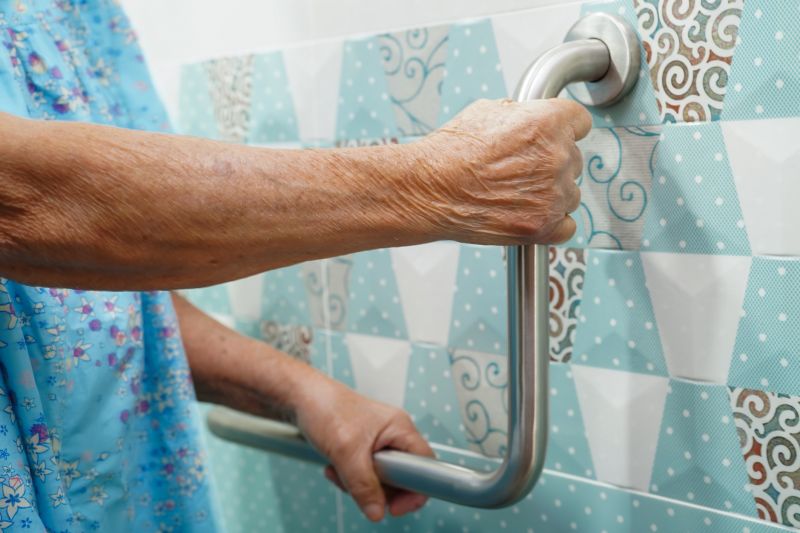
Simple add-ons that improve Handicap Bar Installations without blowing the budget.
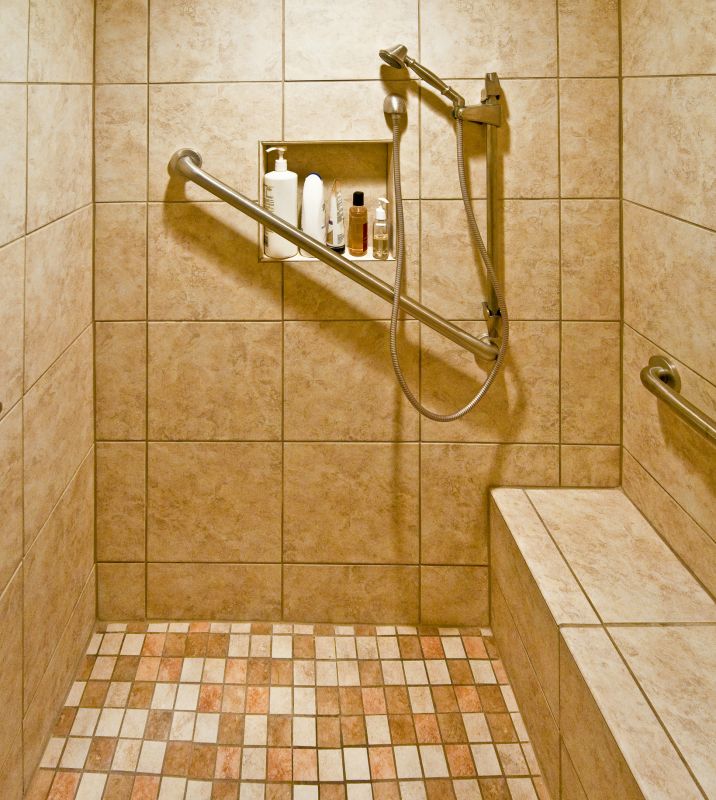
High-end options that actually feel worth it for Handicap Bar Installations.
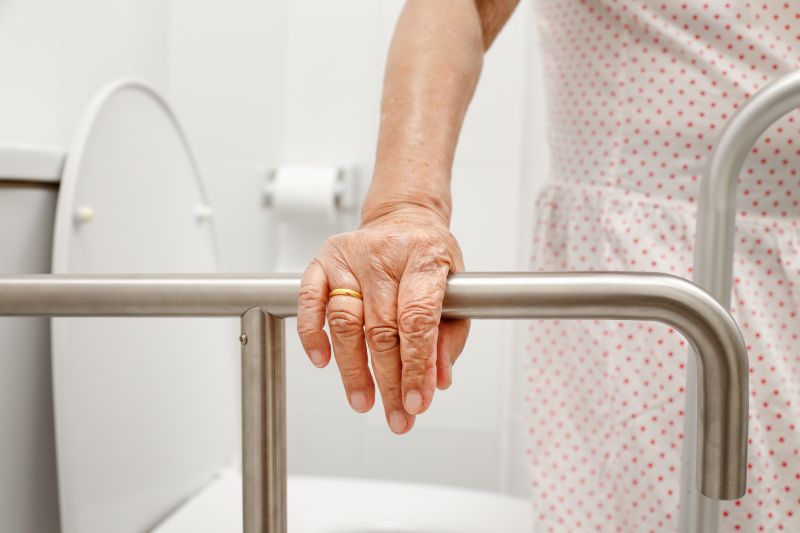
Finishes and colors that play nicely with Handicap Bar Installations.
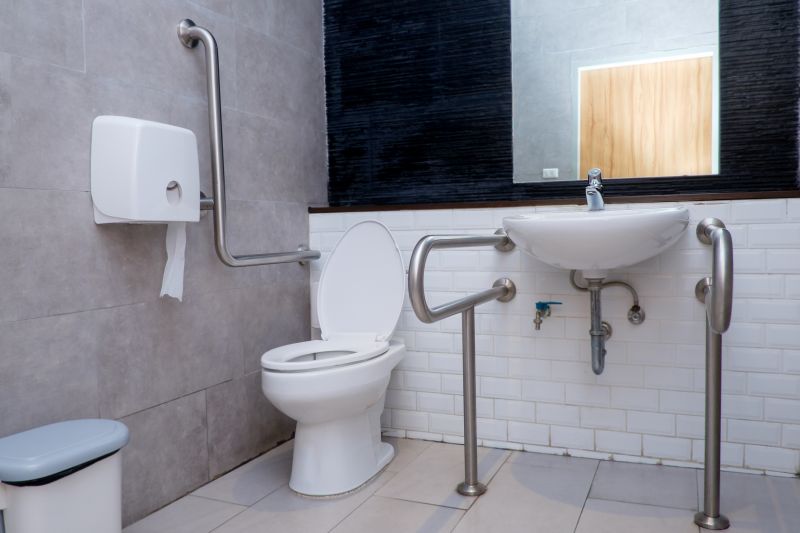
Little measurements that prevent headaches on Handicap Bar Installations day.
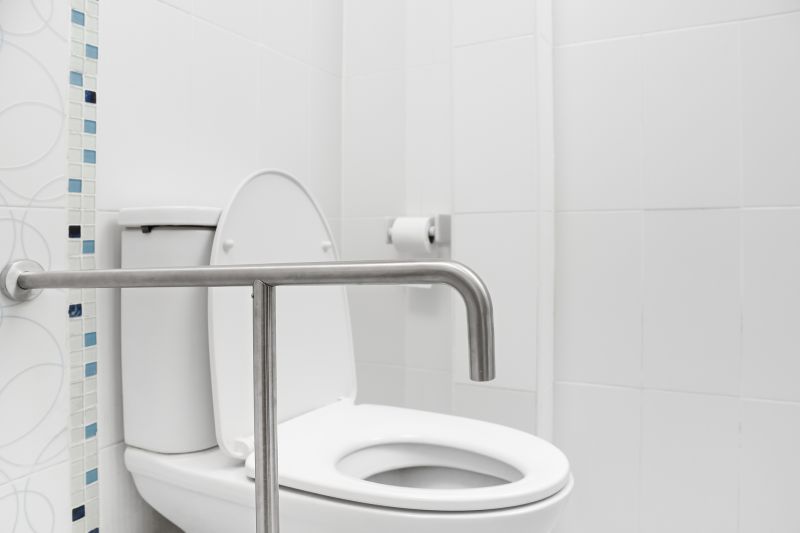
A 60-second routine that keeps Handicap Bar Installations looking new.
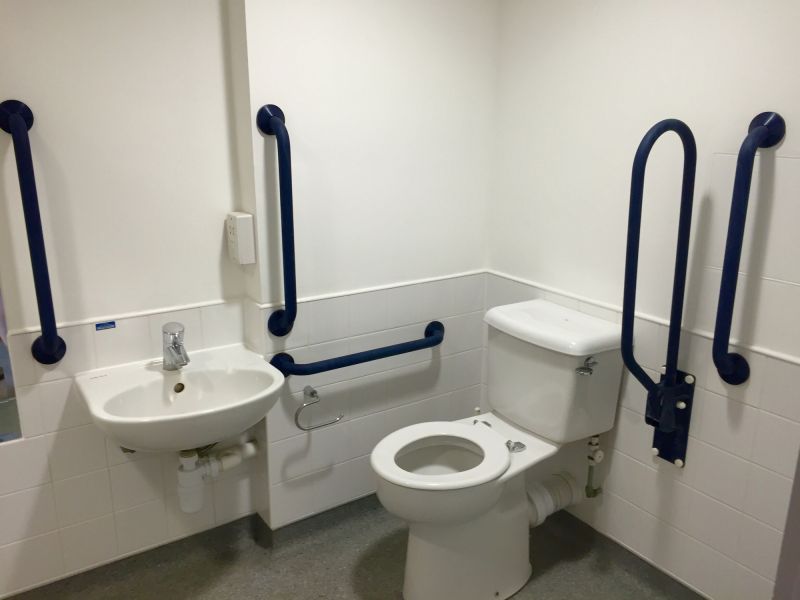
A frequent mistake in Handicap Bar Installations and how to dodge it.

Small tweaks to make Handicap Bar Installations safer and easier to use.
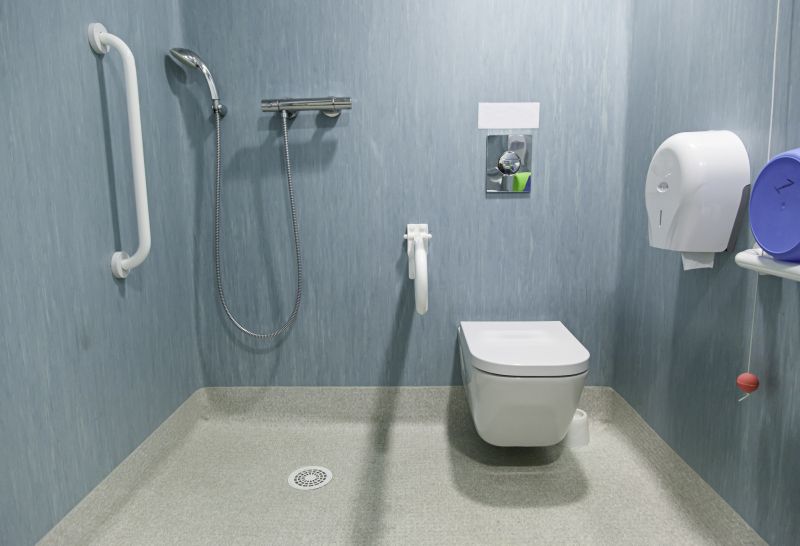
Lower-waste or water-saving choices for Handicap Bar Installations.
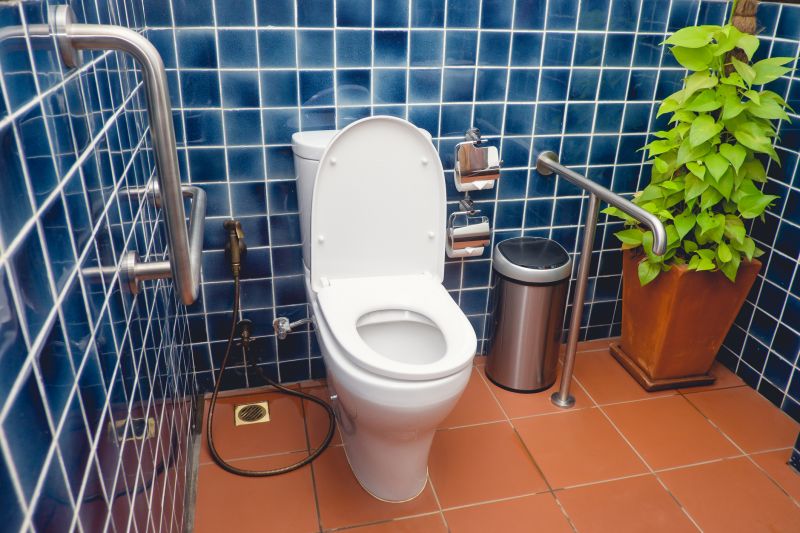
The short, realistic tool list for quality Handicap Bar Installations.

Rough timing from prep to clean-up for Handicap Bar Installations.
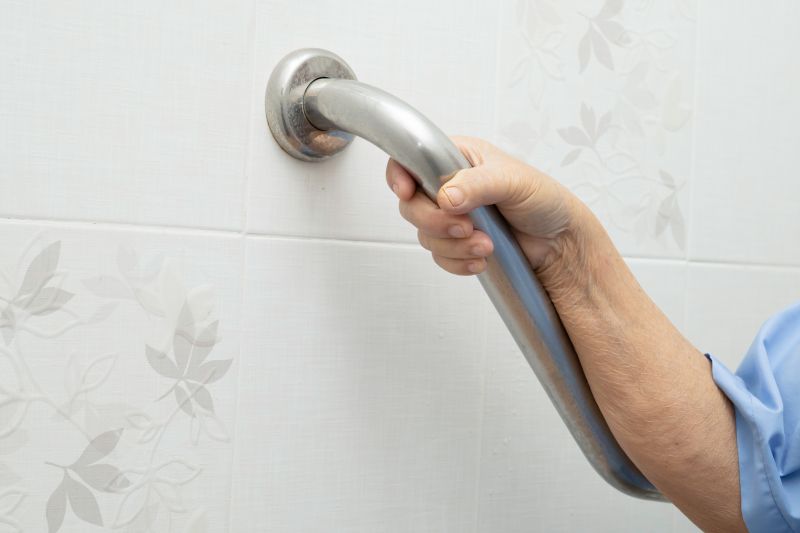
Quick checks and paperwork to keep after Handicap Bar Installations.
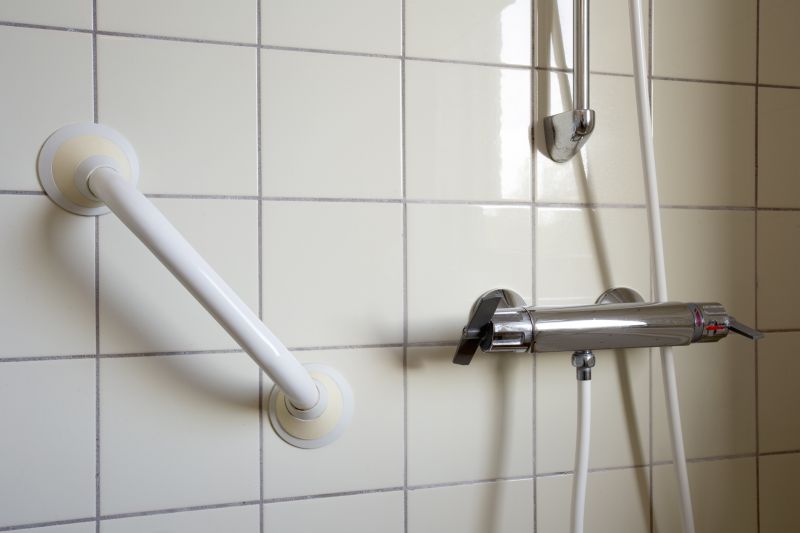
Examples that show the impact a good Handicap Bar Installations can make.
| Aspect | Details |
|---|---|
| Optimal Installation Timing | During construction or renovation phases for best integration. |
| Occupancy Considerations | Schedule during low occupancy periods to minimize disruptions. |
| Compliance Deadlines | Align with local regulations and standards. |
| Maintenance Opportunities | Coordinate with scheduled maintenance for upgrades. |
| Budget Planning | Plan ahead to allocate resources effectively. |
| Design Flexibility | Allow for adjustments based on user feedback. |
| Environmental Factors | Consider seasonal weather conditions for outdoor installations. |